Our Story

The Motivation

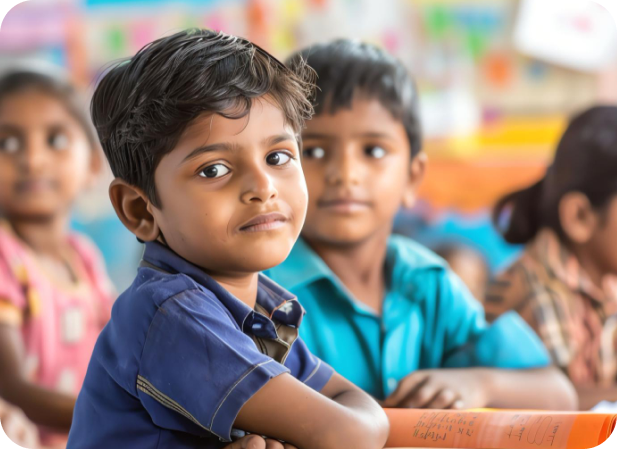
Informal education for marginal and indigenous communities in India often bridges gaps left by formal schooling, using methods like community-based learning, play, songs, and culturally relevant materials to engage children, especially in remote areas, and as well build cognizance with their culture and environment for sustainable development. Programs that help in adapting to local needs, while understanding their inherent culture, environment, tradition and practices, can enhance knowledge addressing challenges like language barriers, urban-rural divide, digital discrimination and as well socioeconomic backlashes through contextualized learning, making them free from poverty-vulnerability nexus.

 

The Mandate

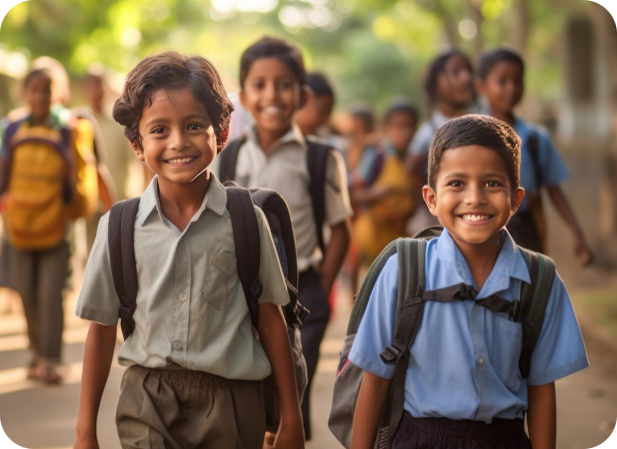
The objective of ISKUL is to develop a unique informal teaching-learning system in rural for the underprivileged learners, mainly children and their mothers, hailing from indigenous and marginal communities, by extending adaptive holistic human-making education towards environmental stewardship, propounded through a chain of schools in remote and contrasting socio-ecologies.

The Milestone

“Education should no longer be mostly imparting of knowledge, but must take a new path, seeking the release of human potentialities.” Maria Montessori looked at child development as a holistic process, for her education did not mean the traditional ‘transfer’ of some set skills and or knowledge. ISKUL things a step ahead as a new path in building a holistic human for the planet’s citizenship.

Our Story

Be Part of the Genesis

Join our global network of designers, developers, and educators to strengthen the framework of inclusive education.